An artist’s contribution to the cultural world is not always measured only by the artworks created in a studio. Some artists also work as curators, organisers, educators and facilitators, creating opportunities for other artists and communities to participate in cultural conversations. Satyabhama Majhi, a contemporary visual artist based in Bhubaneswar, Odisha, represents this broader understanding of the artistic profession.
Known for her work across painting, sculpture, installation, photography, mixed media, public art and community-based practice, Majhi has also developed a role as a curator and community art practitioner. Her activities demonstrate an interest not only in creating visual works but also in building spaces for cultural exchange, participation and artistic collaboration.
The Artist as Curator
Curating involves more than selecting artworks for an exhibition. It can involve developing a concept, bringing different artistic voices together, creating connections between works and helping audiences understand a particular cultural or artistic theme.
For an artist like Majhi, whose own practice crosses multiple disciplines, curatorial work offers another way of exploring these relationships.
Her experience with artists, artisans, communities and educational groups provides a broad perspective on different forms of creative expression. This experience can become valuable when developing exhibitions, collaborative projects and cultural initiatives.
The role of curator therefore complements her identity as an artist.
Expanding the Meaning of Artistic Practice
Majhi’s career illustrates how contemporary artists can occupy several roles simultaneously.
She is known as a visual artist, but her work also includes community engagement, public art, education and cultural collaboration. These activities are interconnected rather than isolated.
A public-art project may require coordination between artists, institutions and communities. An educational programme may involve understanding how children respond to art. A community project may require listening to local experiences before developing a creative outcome.
These processes require organisational and curatorial thinking as well as artistic skills.
Creating Connections Between Different Communities
One of the recurring characteristics of Majhi’s work is her interest in bringing different communities into creative environments.
Her experience includes working with children, schools, rural communities, tribal communities, urban neighbourhoods, artists and artisans.
Such interactions can reveal how differently people understand art.
A professional artist may approach a painting through composition and technique, while a community member may connect it with memory, landscape, work or everyday experience. Children may respond through imagination and observation rather than formal artistic terminology.
A curator working across these different groups can help create opportunities for these perspectives to meet.
Community Art and Cultural Facilitation
Majhi’s community-based practice provides an important context for understanding her role as a cultural facilitator.
Her approach to communities has emphasised observation, listening and engagement with existing cultural practices. Instead of viewing communities only as subjects to be represented, her work involves participation and interaction.
This approach changes the relationship between artist and community.
The artist is no longer simply standing outside and documenting what is seen. The creative process can become a shared experience in which knowledge, memories and perspectives are exchanged.
This is particularly relevant when working with indigenous and rural communities, where cultural knowledge may exist through everyday practices rather than formal institutions.
Working With Artists and Artisans
Collaboration between contemporary artists and traditional artisans can create new possibilities for artistic expression.
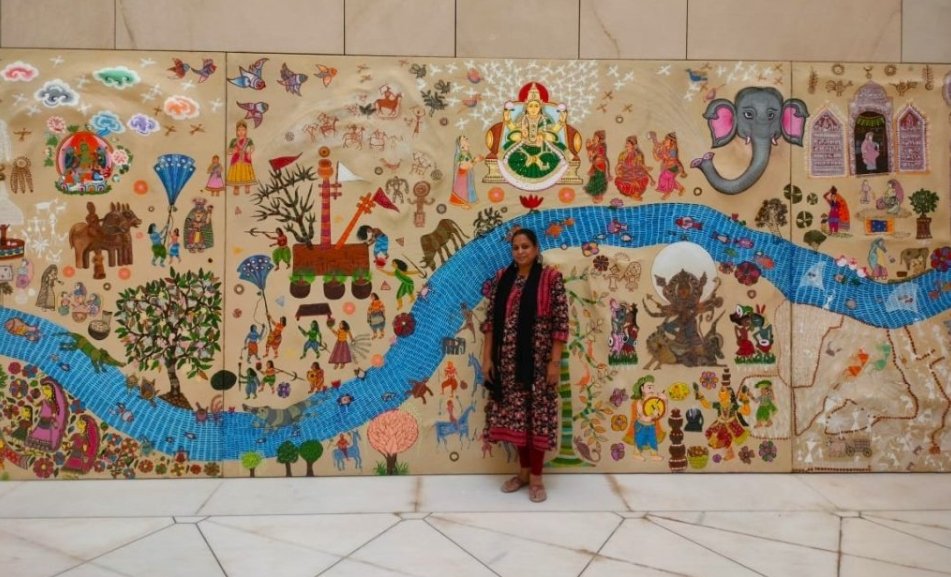
Majhi’s work has involved collaborative initiatives bringing together artists, artisans and communities. These encounters can create opportunities for traditional skills to be recognised within contemporary cultural spaces.
For contemporary art, such collaborations can also challenge the conventional separation between “fine art” and traditional craft.
Artistic knowledge may exist in many forms—in painting, weaving, natural pigments, decorative traditions, storytelling, architecture and everyday cultural practices. A broader cultural approach allows these forms of knowledge to enter contemporary conversations.
The Importance of Cultural Context
Curatorial work requires sensitivity to context.
An artwork does not exist independently of its cultural, historical and geographical background. Understanding where a visual tradition comes from can change the way an audience interprets it.
This idea is especially important in Majhi’s engagement with indigenous visual culture and the landscape of Niyamgiri.
Her long-term interaction with the Dongaria Kondh community has involved attention to cultural practices, livelihood patterns, visual traditions and relationships with the natural environment.
Such experiences reinforce the importance of presenting cultural references with context rather than reducing them to decorative imagery.
Connecting Local and Contemporary Perspectives
Majhi’s curatorial and community-oriented activities also help connect local experiences with contemporary art.
Her base in Odisha has kept her closely connected with regional cultural realities. At the same time, her participation in exhibitions, residencies, artist camps and national artistic initiatives has placed her work within wider contemporary art networks.
This combination creates opportunities for regional experiences to become part of larger artistic conversations.
For Indian contemporary art, such connections are important because the country’s artistic landscape is not limited to major metropolitan centres. Regional histories, local traditions and community experiences contribute significantly to the diversity of contemporary Indian expression.
Sasatwa Foundation and Social Engagement
Majhi is also associated with the Sasatwa Foundation, where she serves as Secretary.
Her involvement with the organisation reflects the social dimension of her wider practice. The foundation’s engagement includes educational institutions, rural and tribal communities and urban environments.
This work complements her artistic activities by creating additional spaces for community interaction.
The combination of artistic and organisational engagement demonstrates a broader understanding of culture—one in which art can contribute to education, awareness, participation and community development.
Curating as a Form of Dialogue
At its most meaningful, curating can create dialogue.
An exhibition can bring together artists who work with different mediums. A community project can bring together people with different experiences. An educational workshop can allow children and artists to learn from one another.
Majhi’s multidisciplinary background makes such dialogue particularly relevant to her practice.
Because she works across painting, installation, public art, photography and community-based projects, she can approach cultural programmes from multiple perspectives.
This flexibility can be useful when working with diverse groups and different artistic environments.
From Individual Artist to Cultural Contributor
The traditional image of an artist often centres on individual creativity—the artist working alone in a studio and presenting finished works to an audience.
Majhi’s career suggests a broader model.
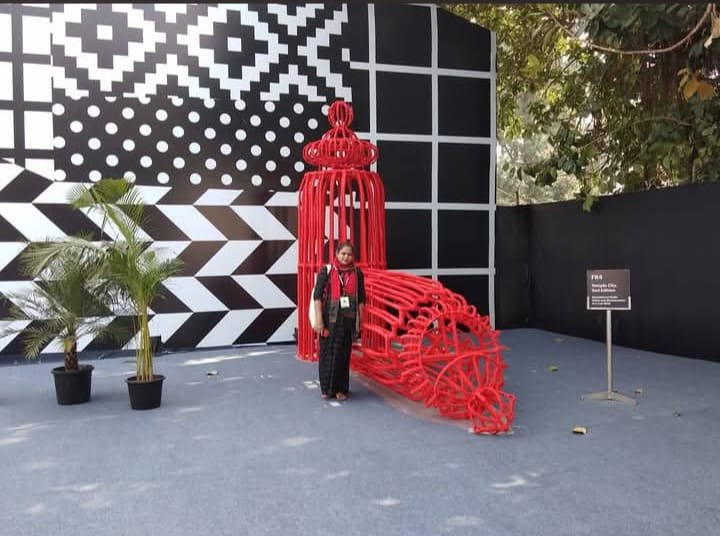
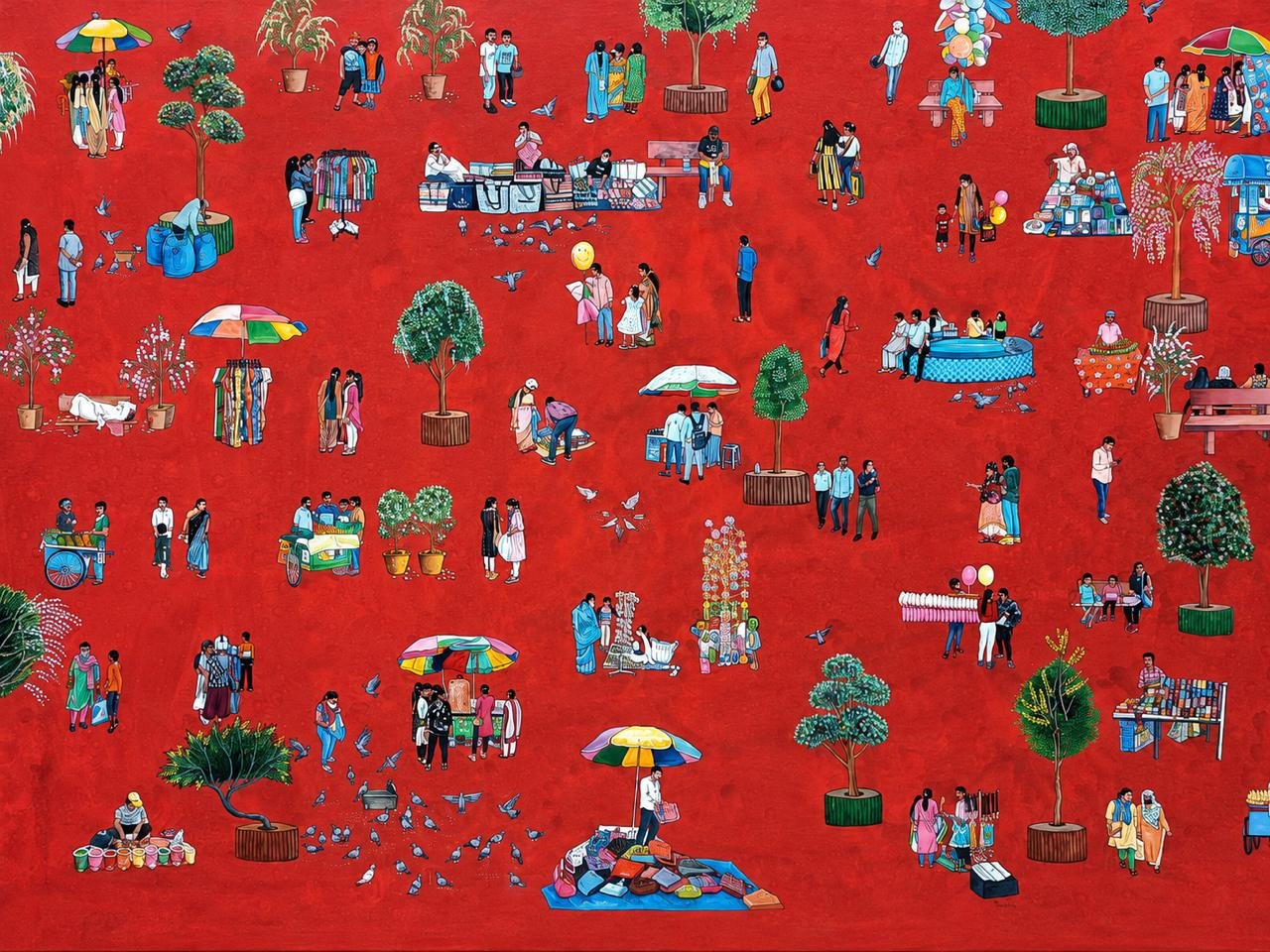
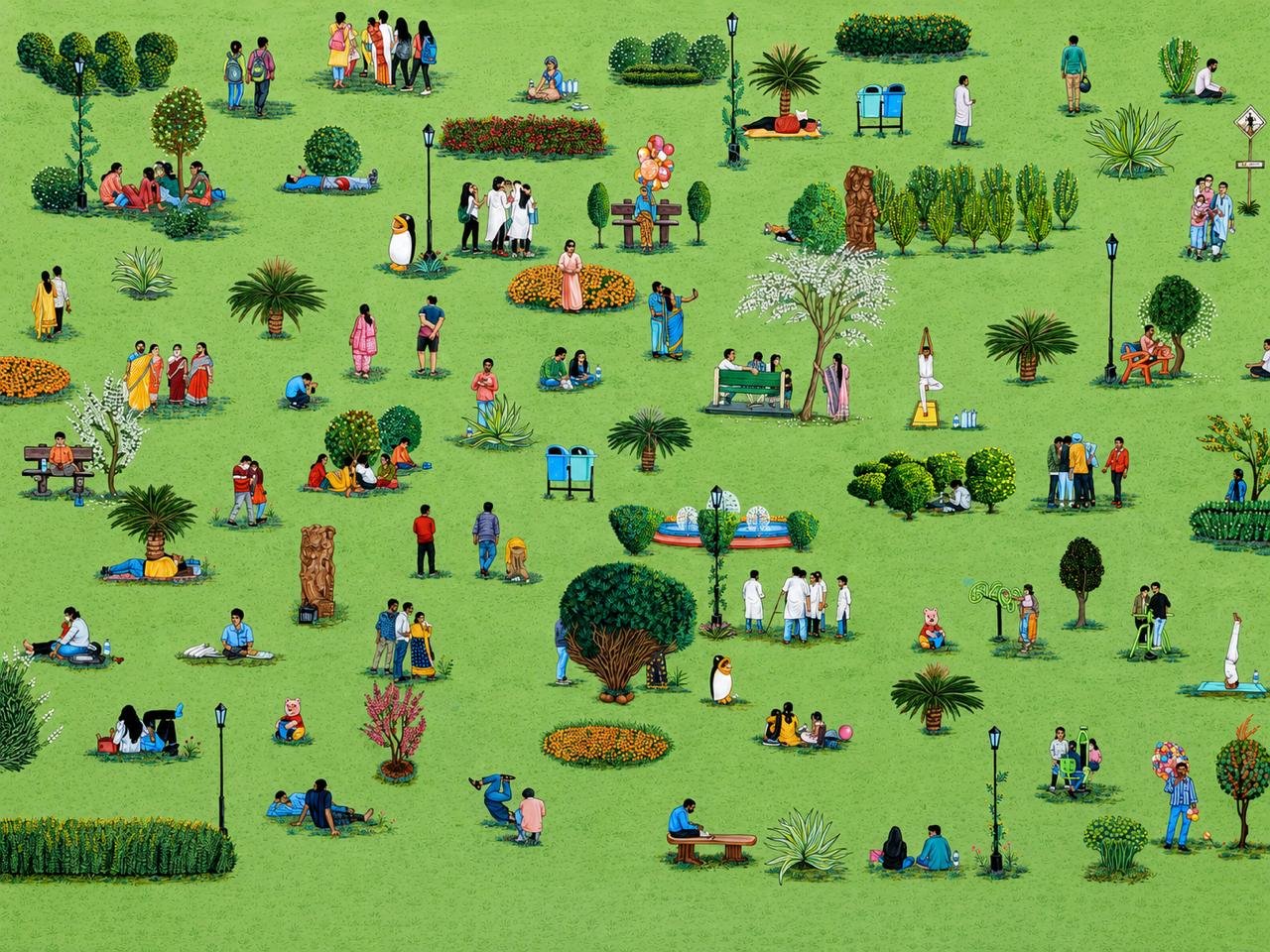
Her contribution includes creating artworks, participating in exhibitions, working in public spaces, engaging with communities, conducting educational activities, collaborating with artists and artisans, and contributing to cultural initiatives.
These activities demonstrate how contemporary art can function as a network of relationships rather than a collection of isolated objects.
A Broader Vision of Art
Satyabhama Majhi’s role as a curator and cultural facilitator adds another dimension to her artistic identity.
Her work demonstrates that contemporary art can involve organising, connecting, listening and creating opportunities for participation. The artist can be a maker, but can also become a bridge between communities, artistic traditions and contemporary cultural institutions.
This approach is consistent with many of the broader themes visible throughout her career: cultural memory, indigenous knowledge, ecology, education, public space and community participation.
Rather than separating these concerns, Majhi brings them together through a practice that moves between studio art and social engagement.
Conclusion
Satyabhama Majhi’s contribution to contemporary Indian art extends beyond the artworks she creates.
As an artist, curator, community art practitioner and cultural facilitator, she has participated in a range of activities that connect artistic expression with communities and cultural environments.
Her curatorial perspective is particularly significant because it reflects her broader understanding of art as a form of dialogue. Artists, artisans, children, communities and audiences can all contribute to the cultural process.
Through this expanded role, Majhi demonstrates how an artist can participate not only in the production of art but also in the creation of cultural connections.
Her journey ultimately presents a vision of contemporary art that is collaborative, socially aware and deeply connected with the environments and communities from which creative ideas emerge.